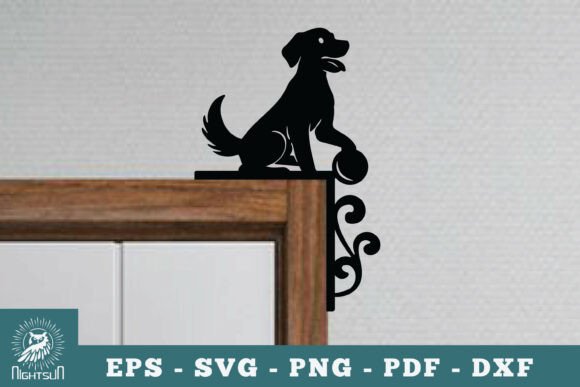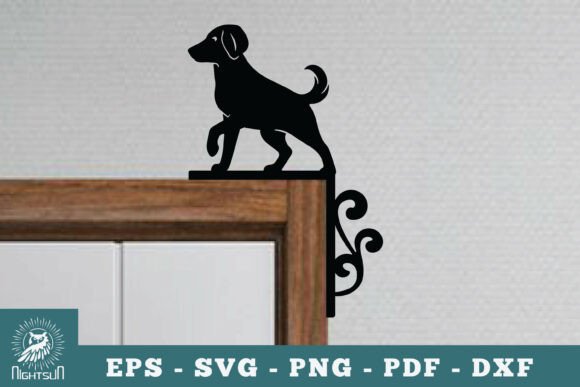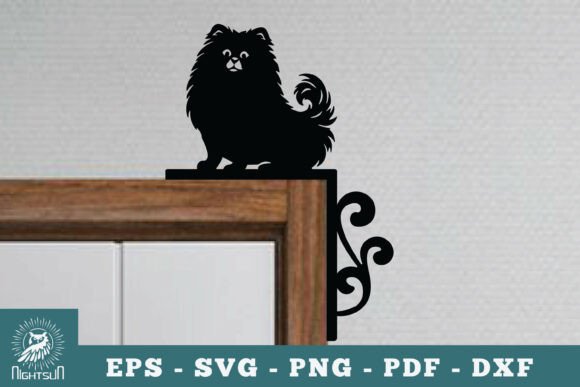
Dog Door Corner Lasercut SVG 2
As a designer and embroidery product reviewer, I often find myself evaluating digital files for real-world use. The Dog Door Corner Lasercut SVG 2 caught my attention not just for its unique shape, but for how it could translate into practical, high-quality embroidery projects. This design is more than just a file—it’s a tool that can elevate handmade products, custom apparel, and commercial designs when used thoughtfully.
First Impressions: A Design That Speaks to Practicality
The first thing I noticed about Dog Door Corner Lasercut SVG 2 is its clean, functional layout. It’s a simple yet effective shape that suggests utility and charm. The corner cutout gives it a distinctive look, making it ideal for items that need both visual appeal and a touch of personality. It doesn’t scream “fancy,” but it does whisper “handmade” in the best way possible.
The level of detail is modest but intentional. It’s not overly complex, which makes it suitable for a wide range of embroidery machines and hoop sizes. This simplicity also means it can be adapted for different fabric types without overwhelming the design or the stitch work.
Real-World Use: Where Does This Design Fit Best?
I’ve used this design on a few different projects, and it has proven versatile. For example, when I added it to a custom tote bag design, it gave the piece a subtle, modern edge that stood out without being too bold. It also worked well as an embroidered patch for a sweatshirt, where its clean lines and open space allowed for clear stitching and easy placement.
It’s also a great fit for baby items. The soft, rounded corners make it safe for little hands, and the design doesn’t feel too busy for a nursery decor piece. When I tested it on a tea towel, the contrast between the open space and the surrounding fabric made the design pop, especially when using darker thread colors against a light background.
Performance in Different Embroidery Situations
Dog Door Corner Lasercut SVG 2 performs well in most standard embroidery scenarios. It works well with satin stitch and fill stitch, and the design’s open areas allow for smooth transitions between stitches. However, there are a few things to keep in mind.
- Small hoop sizes: If you’re working with a smaller hoop, this design might require some repositioning. The corner cutout isn’t too large, but it’s still something to consider when planning your embroidery session.
- Textured fabrics: On thicker or more textured materials, the design may not sit as flat as desired. A good stabilizer is essential here to prevent puckering or distortion.
- Thin or stretchy fabric: The design can be a bit delicate on these types of materials. You’ll want to test it on scrap fabric before committing to a final project.
- Dark fabric: While the design is visible on light backgrounds, it may not show up as clearly on dark ones. Using a contrasting thread color can help improve visibility.
Where to Be Careful: Common Pitfalls and Solutions
There are a few areas where Dog Door Corner Lasercut SVG 2 might not perform as expected. For instance, if you’re trying to use it on a curved surface like a cap, the corner cutout might not align properly. Similarly, if you’re working with a design that includes tiny lettering or intricate details, this file might not be the best choice.
Another consideration is the stitch density. If the design is too dense in certain areas, it could cause the fabric to pucker or the threads to break. Always check the stitch count and adjust as needed. Also, if you’re planning to sell finished products, make sure to confirm the licensing terms before proceeding.
Impact on Visual Appeal and Customer Perception
This design adds a unique element to any project it’s used on. It’s not flashy, but it’s eye-catching enough to make a statement. When I used it on a personalized gift, customers immediately noticed the thoughtful detail. It added value to the product and made the handmade aspect more apparent.
For small business owners and Etsy sellers, this design can be a great asset. It’s simple enough to be adaptable but detailed enough to stand out. It also helps with brand consistency—especially if you’re looking to create a cohesive line of products.
Practical Designer Notes: What to Test Before Finalizing
Here are a few key steps I recommend before using Dog Door Corner Lasercut SVG 2 in a finished project:
- Test on scrap fabric: Always do a trial run to see how the design looks and behaves on your chosen material.
- Check thread color contrast: Make sure the thread color complements the fabric and enhances the design.
- Review stitch density: Adjust the density if necessary to avoid puckering or excessive thread usage.
- Confirm hoop size: Ensure the design fits within your available hoop size or plan for multiple hooping sessions.
- Inspect small details: Look closely at the corners and edges to make sure they’re sharp and clean.
- Test in black and white mockups: This helps you see how the design will look on different backgrounds.
- Compare light and dark fabric: See how the design appears on both types of material to ensure visibility and clarity.
- Use proper stabilizer: Especially important for thin or stretchy fabrics to maintain shape and quality.
- Confirm licensing: If you’re selling finished items or digital products, make sure you have the right to do so.
Final Thoughts: A Smart Choice for Creative Entrepreneurs
Dog Door Corner Lasercut SVG 2 is a solid addition to any designer’s toolkit. It’s practical, adaptable, and visually appealing. Whether you’re creating custom apparel, handmade gifts, or boutique merchandise, this design can add a unique touch without overwhelming the overall look.
As with any machine embroidery design, it’s important to approach it with care and testing. But when done right, it can enhance your work and help you stand out in a competitive market. For anyone looking to expand their design assets, this file is worth considering.